
 ES
ES  EN
EN  FR
FR  DE
DE  NL
NL  PL
PL  IT
IT Learn How Luxury Home Decor Brands Use UGC to Drive Sales
In This Article
The biggest lie in online shopping is the perfect photo. That flawless sofa in that massive, sun-drenched room. It’s beautiful. It’s also completely irrelevant to most people’s lives.
The real question isn’t “Do I like this?” It’s “Will this look good in my room?”
The polished, professional photo can’t answer that. But a quick scroll through Instagram can. We’re looking for proof from real people. That proof is called User-Generated Content (UGC), and it’s the most honest marketing on the planet.
Some brands just get it. They’ve stopped shouting about how great they are and have handed the microphone to their customers. Let’s look at who’s doing it right and take notes for yourself.
1. West Elm: The Conversion Kings
West Elm wrote the book on how to use UGC for sales, not just for social media likes.
What worked for them:
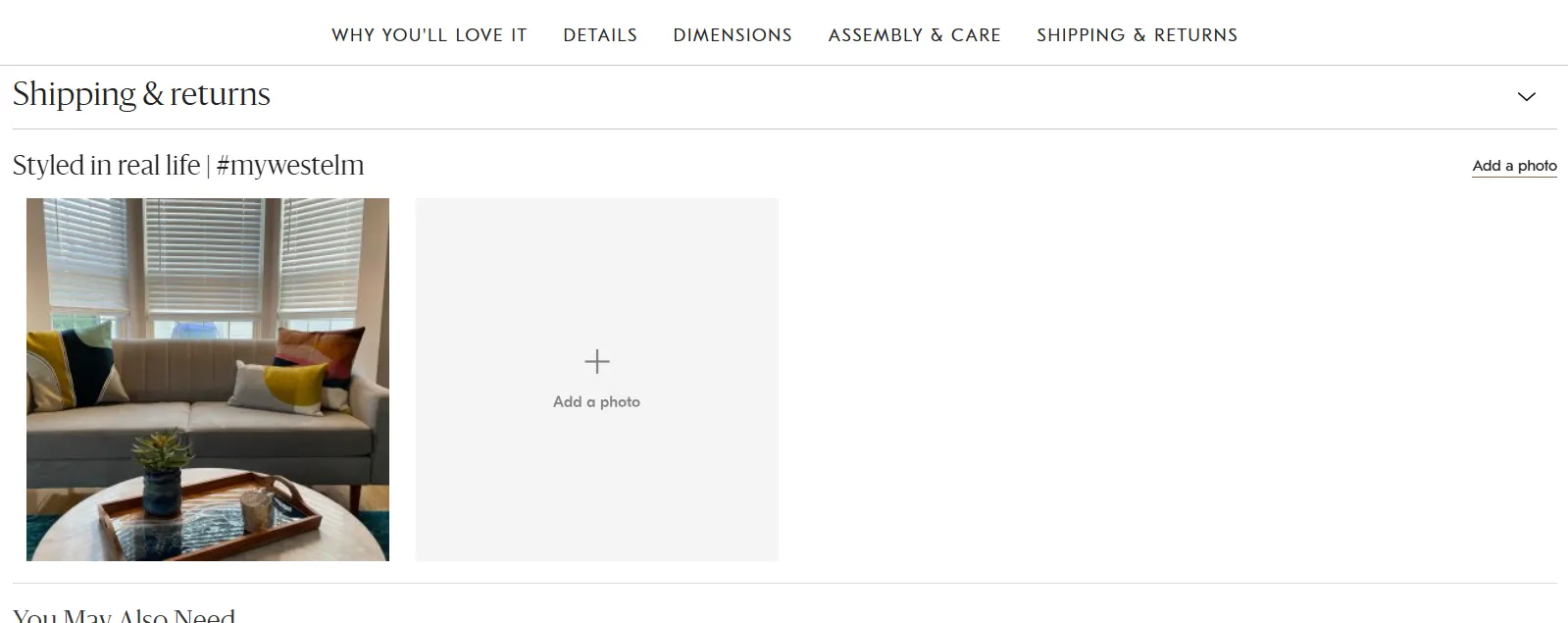
A dead-simple hashtag, #MyWestElm. But the real magic was piping those customer photos directly onto their product pages. Right below the professional shot, a potential buyer sees the item in a dozen real-world scenarios.
The lesson here:
Don’t hide your best proof. Put customer photos where the money is. Social proof placed directly at the point of sale removes doubt and closes deals. Game over.
2. Farrow & Ball: The Cult Builders
Farrow & Ball plays a different game entirely. They sell paint, but what they’re really selling is an identity.
What worked for them:
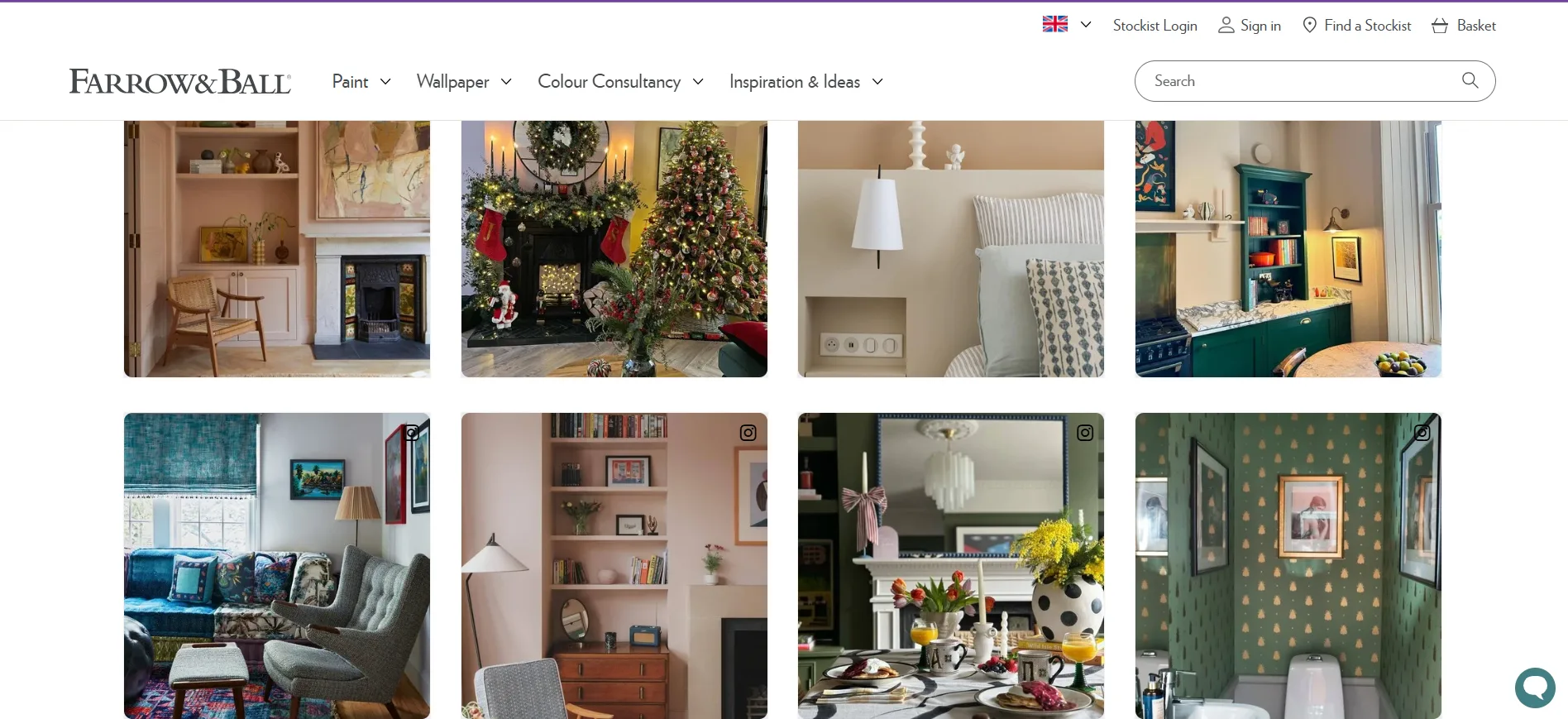
Positioning their product as a badge of honour. The unique and quirky paint names intrigue customers into associating with an exclusive club. The product itself is so aspirational that it engages customers to share their projects as a form of social currency.
The lesson here:
Build a brand that people want to be part of. If the product is a trophy, the customers will build the trophy case for you. The marketing becomes a natural byproduct of brand pride.
3. Article: The Trust Hackers
The Article was born with a huge ‘no-showroom’ problem. They needed people to spend thousands on furniture they had never seen in person.
What worked for them:
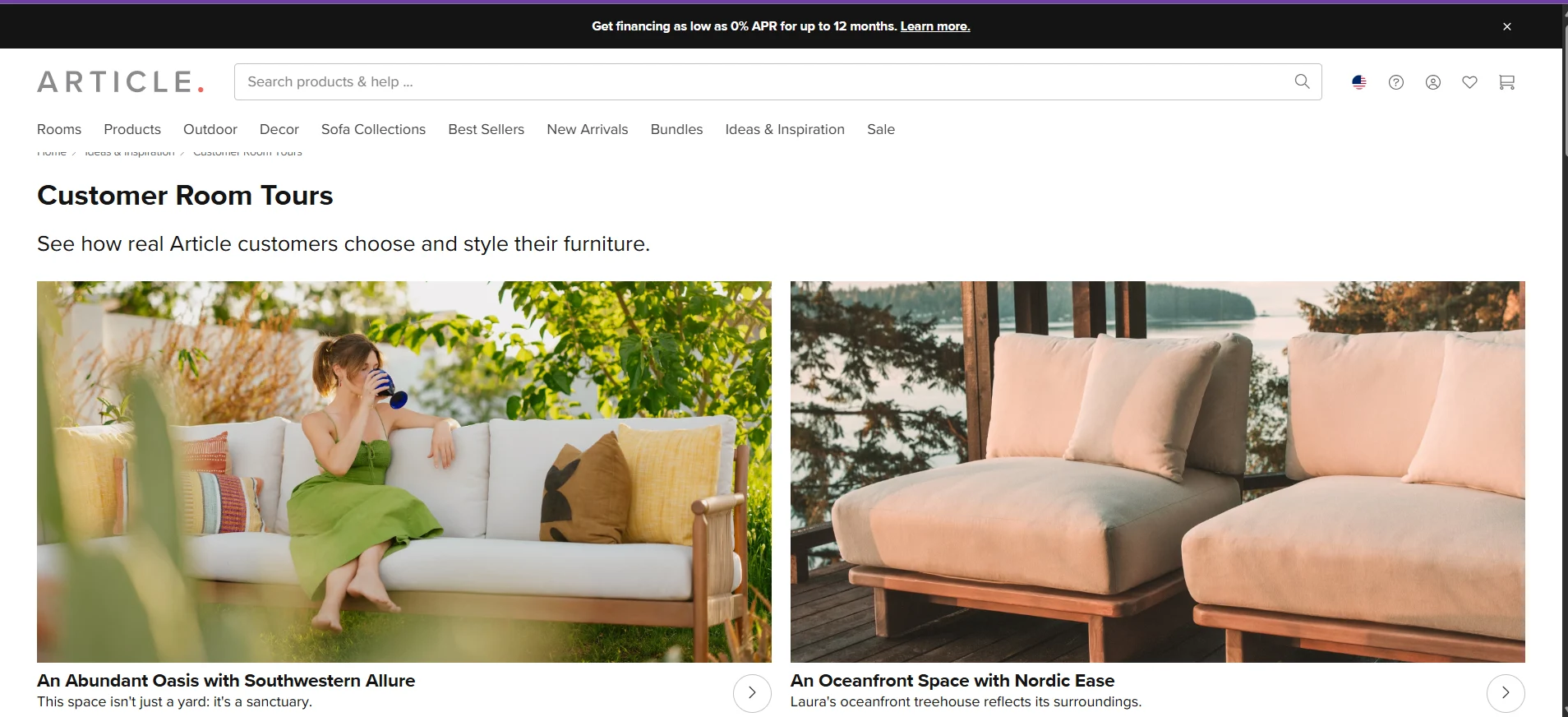
They turned their entire customer base into a virtual showroom. The #OurArticle campaign was used to build a massive visual library of proof, showing their furniture thriving in real, everyday homes.
The lesson here:
Identify the single biggest fear your customer has and use UGC to crush it. For online-only brands, that fear is the unknown. UGC makes the unknown visible, tangible, and trustworthy.
4. The Citizenry: The Story Sellers
This brand’s approach is less about style and more about substance. Their entire brand is built on ethically sourced, handmade goods.
What worked for them:
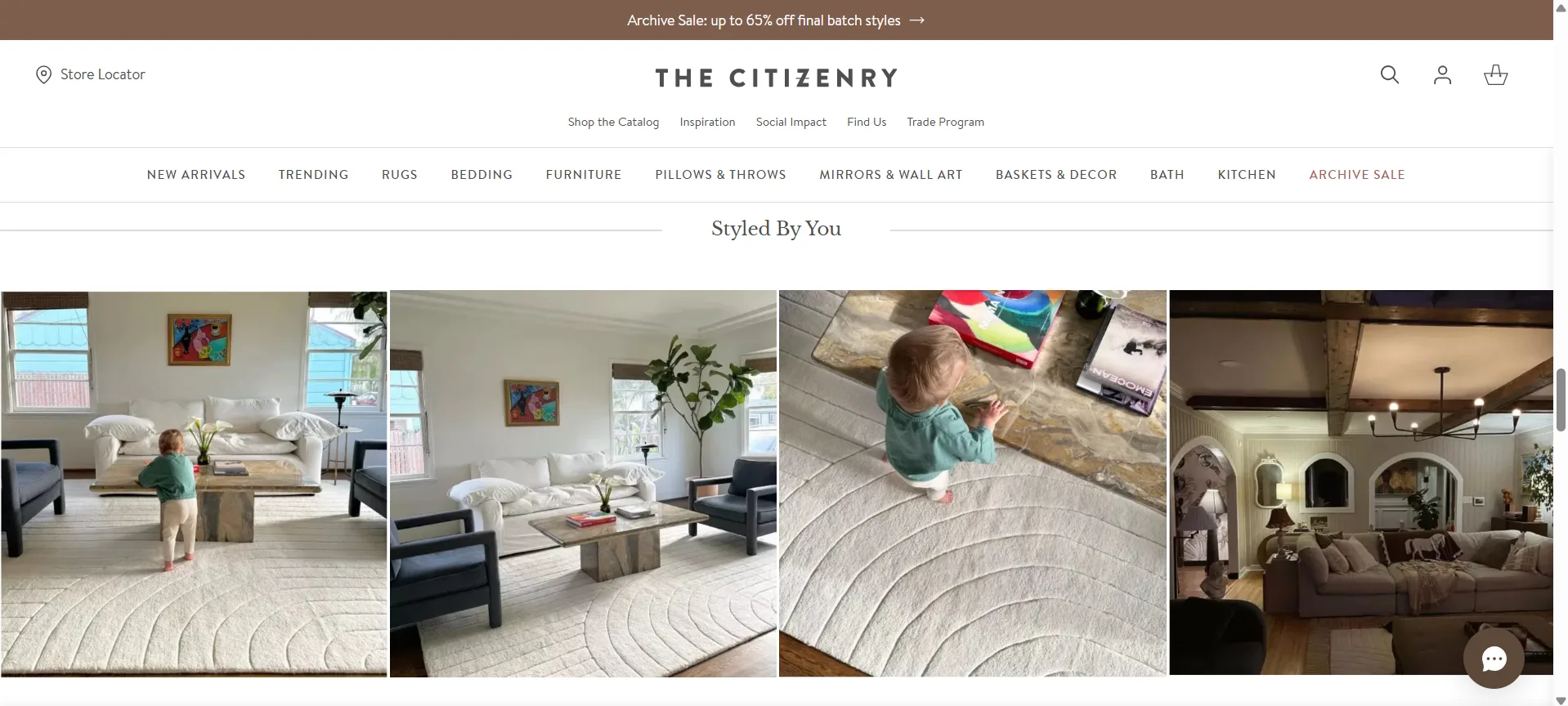
Connecting their products to a deeper story and a set of values. Customers who buy from them are often buying into that mission. The UGC they create isn’t just a style shot; it’s a quiet endorsement of the brand’s ethos.
The lesson here:
Build a story outside your product. When your brand has a soul, customers don’t just buy from it, they align with it. This will enhance social credibility for your brand.
5. CB2: The Gatekeepers of Cool
CB2 has a sharp, modern, and very specific point of view. They use UGC (#mycb2) not just to show products, but to define their tribe.
What worked for them:
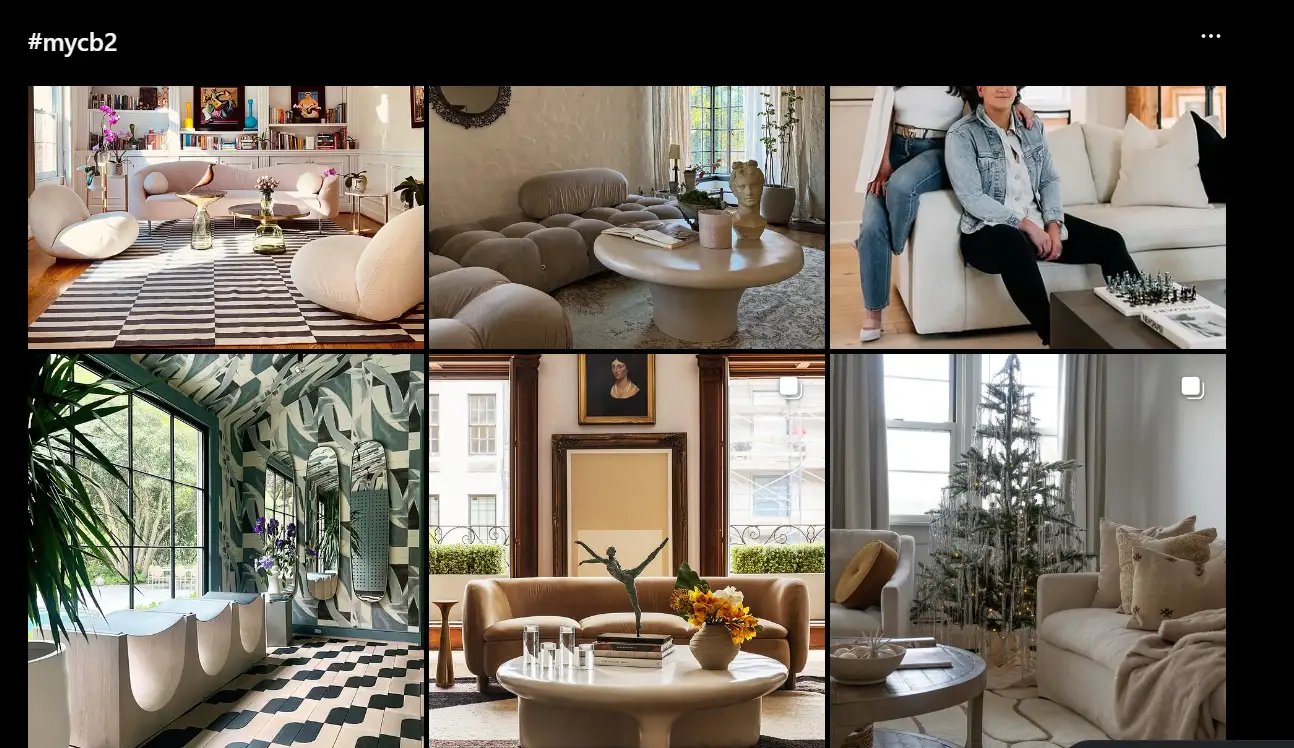
A highly curated approach to UGC. They don’t feature everyone. They selectively showcase customer homes that perfectly mirror their edgy, trend-forward aesthetic. Being featured becomes an aspirational goal for their community.
The lesson here:
Select UGC aesthetics that fit your vision. It will reinforce what your brand stands for and make belonging to that group feel exclusive and desirable.
Conclusion
The pattern here isn’t a complex marketing algorithm. It’s a fundamental shift in trust. The brands that are winning have realised that polished perfection creates desire, but authentic reality seals the deal. They’ve stopped just talking and started listening, turning their customers’ voices into their most valuable asset.
The core strategy is twofold. First, create a product and a brand identity so strong that people are proud to make it a part of their own lives. Second, have the guts to let go of the narrative. Amplify the stories your customers are already telling. They aren’t just selling products for you; they are validating the entire brand promise, one living room at a time. In the end, the most effective marketing isn’t marketing at all. It’s proof.
Preguntas frecuentes
Q1. What is UGC for Home Decor Brands?
Ans. Real customer photos and videos that are unpaid. In their real homes. No models, no studios.
Q2. Why does UGC work for home goods?
Ans. It proves the stuff looks good in a normal house, not just a photo studio. It answers the biggest question and removes doubt.
Q3. How do brands get more UGC?
Ans. Make something worth showing off. And feature people when they do. Simple recognition is a powerful motivator.
Q4. Can small brands use UGC?
Ans. Yes. It’s their best tool. It builds instant trust when no one knows the brand name yet.
Q5. Is UGC better than professional photos?
Ans. They do different jobs. Pro photos create the initial desire. UGC provides the final proof that seals the deal. Brands need both.